

Kicking off with Automotive Insurance Quote: What Indians Often Overlook, this opening paragraph is designed to captivate and engage the readers, providing an interesting overview of the topic.
The content of the second paragraph that provides descriptive and clear information about the topic
Importance of Automotive Insurance
Automotive insurance is a crucial investment for vehicle owners as it provides financial protection in case of unforeseen events. Whether it's a minor fender bender or a major accident, having the right insurance coverage can make a significant difference in the outcome.
Types of Coverage Options
- Liability Coverage: This type of insurance pays for damages and injuries you cause to others in an accident. It is mandatory in most states and helps protect you from potential lawsuits.
- Collision Coverage: This coverage helps pay for repairs to your vehicle in case of a collision with another vehicle or object.
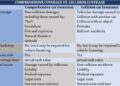
- Comprehensive Coverage: This coverage provides protection for damage to your vehicle from incidents other than collisions, such as theft, vandalism, or natural disasters.
- Uninsured/Underinsured Motorist Coverage: This coverage protects you if you are involved in an accident with a driver who does not have insurance or enough insurance to cover your damages.
Factors Affecting Insurance Premiums
When it comes to calculating insurance premiums for automotive insurance, there are several factors that insurance companies take into consideration. These factors can significantly impact how much you pay for your coverage.
Age
Age is a major factor that insurance companies consider when determining your premium. Younger drivers, especially those under the age of 25, are generally considered to be higher risk drivers and therefore may face higher premiums. This is because younger drivers are statistically more likely to be involved in accidents.
Driving History
Your driving history is another crucial factor that can affect your insurance premium. If you have a history of accidents, traffic violations, or DUIs, insurance companies may consider you to be a high-risk driver and charge you more for coverage.
On the other hand, a clean driving record can help lower your premium.
Vehicle Type
The type of vehicle you drive can also impact your insurance premium. Generally, more expensive or high-performance vehicles will cost more to insure. Additionally, the safety ratings of your vehicle, as well as its likelihood of being stolen, can also affect your premium.
Additional Coverage
Opting for additional coverage, such as comprehensive or collision coverage, can also impact your insurance premium. While these coverages provide extra protection, they also come at an additional cost. It's important to weigh the benefits of additional coverage against the increase in premium to determine what is best for your specific needs.
Understanding Policy Exclusions
When it comes to automotive insurance, understanding policy exclusions is crucial to avoid unexpected expenses. Policy exclusions are specific situations or conditions that are not covered by your insurance policy. Many Indians often overlook these exclusions, leading to confusion and financial setbacks when they file a claim.
Common Exclusions in Automotive Insurance Policies
- Regular Wear and Tear: Most policies do not cover damages resulting from regular wear and tear of your vehicle.
- Driving Under the Influence: Accidents caused while driving under the influence of alcohol or drugs are typically excluded from coverage.
- Unapproved Modifications: Any damages caused by modifications not approved by the insurance company may not be covered.
Examples of Situations Leading to Unexpected Expenses
- If your car breaks down due to regular wear and tear, the repair costs might not be covered by your insurance policy.
- In case of an accident while driving under the influence, you may be liable for all expenses related to the damages.
- If your car is stolen after you made unapproved modifications, the insurance company may deny your claim.
Importance of Reading the Policy Document Carefully
It is essential to carefully read your policy document to understand all the exclusions mentioned. By being aware of what is not covered, you can avoid any surprises when you need to make a claim. Remember, ignorance of policy exclusions can lead to significant financial burdens in the event of an unforeseen incident.
Making Informed Decisions

When it comes to comparing automotive insurance quotes, there are a few key tips to keep in mind to ensure you are making an informed decision:
Effective Comparison of Quotes
Before selecting an insurance policy, it is crucial to compare quotes from multiple providers. Consider factors like coverage limits, deductibles, and additional benefits to make a well-informed choice.
Reviewing Policy Terms and Conditions
Take the time to carefully review the terms and conditions of each insurance policy. Pay close attention to exclusions, limitations, and any additional fees that may apply. Understanding these details can help prevent surprises in the future.
Seeking Clarification from Insurance Provider
If you come across any ambiguous terms or clauses in the policy, do not hesitate to seek clarification from the insurance provider. It is essential to have a clear understanding of what is covered and what is not to avoid any misunderstandings later on.
No Claim Bonus and Deductibles
When it comes to automotive insurance, understanding the concepts of No Claim Bonus and deductibles can play a significant role in managing your insurance costs effectively.
No Claim Bonus
- A No Claim Bonus (NCB) is a reward given by insurance companies to policyholders who do not make any claims during the policy period.
- It is a discount on the premium that can accumulate over time for every claim-free year, leading to substantial savings on insurance costs.
- Policyholders can enjoy NCB benefits in the form of reduced premiums or increased coverage without additional costs.
Deductibles
- Deductibles refer to the fixed amount that policyholders agree to pay out of pocket towards a claim before the insurance coverage kicks in.
- Choosing the right deductible amount can impact your insurance premiums, with higher deductibles typically resulting in lower premiums.
- While a higher deductible can lower your premium, it is essential to ensure that you can afford the deductible amount in case of a claim.
Maximizing Benefits
- To maximize the benefits of NCB, consider opting for a higher voluntary deductible, which can lead to greater premium savings.
- Regularly review your policy and assess the impact of NCB on your premiums to make informed decisions on coverage options.
- Ensure that you maintain a claim-free record to continue enjoying the NCB benefits and keep your insurance costs in check.
Conclusive Thoughts
In conclusion, we have explored the key aspects of Automotive Insurance Quote: What Indians Often Overlook, offering a captivating summary of the discussion.
Question & Answer Hub
What are some common factors affecting insurance premiums?
Insurance companies consider factors like age, driving history, and vehicle type when calculating premiums. Opting for additional coverage can also impact the insurance premium.
What are policy exclusions in automotive insurance that Indians often overlook?
Common policy exclusions include specific situations not covered by the policy, which can lead to unexpected expenses. Reading the policy document carefully is crucial to understand these exclusions.
How can one effectively compare automotive insurance quotes?
Tips for comparing quotes include reviewing policy terms and conditions, seeking clarification on ambiguous terms from the provider, and understanding the coverage options available.
What is a No Claim Bonus and how does it impact insurance premiums?
A No Claim Bonus is a reward for not making any claims during the policy period, which can lower insurance premiums. Choosing the right deductible amount can also affect costs.
How can one maximize the benefits of No Claim Bonus and deductibles?
To maximize benefits, one can ensure timely renewals, understand the terms related to bonuses and deductibles, and make informed decisions based on their insurance needs.